


Review: Marama Blends Māori History With Gothic Atmosphere


Review: Marama — A Māori Gothic Driven by Performance, History, and Atmosphere
A growing shift in recent genre filmmaking has placed new voices and perspectives at the center, and Marama positions itself firmly within that movement. Directed by Taratoa Stappard, the film blends Gothic horror aesthetics with a story rooted in Māori history and colonial tension, creating a period piece that leans as much on drama as it does on supernatural elements.
At the center is Mary, played by Ariana Osborne, a Māori woman brought to Victorian England under the promise of answers about her parents. What she finds instead is a deeper unraveling—one tied not only to her family, but to a broader history shaped by British colonial rule.
Osborne delivers a performance that carries the film. There’s a controlled intensity in her portrayal, balancing vulnerability with resolve as the character moves through grief, discovery, and confrontation. Supporting performances from Toby Stephens, Umi Myers, and Mihi Te Rauhi Daniels reinforce the film’s character-driven approach.
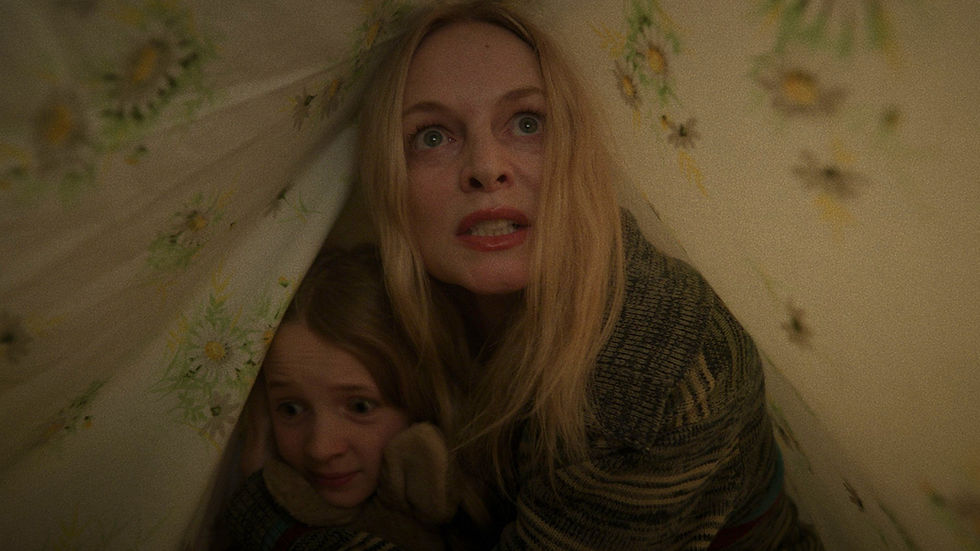
Visually, Marama leans heavily into Gothic tradition. The production design, costume work, and set pieces are detailed and deliberate, building a world that feels both elegant and oppressive. Candlelit interiors, shadow-heavy framing, and textured environments create a consistent tone that supports the film’s underlying tension.
Narratively, the film centers on Mary uncovering the truth about her past while navigating a system built on power, hierarchy, and violence. The story incorporates supernatural elements, but it doesn’t rely on them as its primary engine. Instead, those elements function as an extension of the film’s themes—identity, displacement, and generational trauma.
As the film progresses, it begins to shift in tone. What starts with strong Gothic horror framing gradually moves toward a more grounded revenge drama. The supernatural remains present, but it becomes secondary to the emotional and historical arc of the story.
That shift creates a split in expectations. The film maintains its visual and thematic consistency, but it doesn’t fully commit to being a traditional horror experience. The scare factor is present, though limited, and the pacing favors atmosphere and character over escalation.
Where Marama stands out is in its perspective. Stories centered on Māori experiences—particularly within a Gothic, period setting—are rarely explored at this scale. The film uses that lens to tell a story that is both specific and historically grounded, even as it moves between genres.
The result is a film that prioritizes performance, design, and narrative weight over conventional horror structure.
Marama is a measured, visually detailed period film with strong performances and a clear thematic focus. While it doesn’t fully lean into its horror elements, it delivers a story that extends beyond genre expectations.
Rating: 3.5/5


Comments