


Hokum Review: Damien McCarthy Delivers One of the Year’s Best Horror Films


Review: Hokum (2026)
If you’re building a list of modern horror filmmakers operating at a consistently high level, Damien McCarthy has to be in that conversation. After Caveat and the quietly devastating Oddity, he returns with Hokum—and if this really is part of a limited run in the genre, then he’s making every entry count.
Led by Adam Scott, Hokum leans into restraint in a way most contemporary horror films don’t have the discipline to attempt. And that restraint is exactly where the film finds its power.
Scott delivers one of his most controlled performances to date. There’s a stillness to his presence here—long stretches where dialogue takes a backseat and expression, posture, and timing do the heavy lifting. It’s a reminder that he’s not just a charismatic lead—he’s a precise actor who understands how to operate within silence. McCarthy gives him space, and Scott uses every inch of it.
At its core, Hokum is rooted in folk horror, but it doesn’t feel trapped by the genre’s recent wave. Where some films get lost in aesthetic or atmosphere, McCarthy sharpens his focus on narrative. The writing is deliberate, layered, and confident. Themes of grief, childhood abandonment, and emotional trauma run quietly beneath the surface, never overwhelming the horror but always informing it.
And then there’s the witch.
Not as a gimmick—but as a cultural anchor. Witches remain one of horror’s most universal figures, embedded across generations and geographies. McCarthy taps into that lineage without over-explaining it. He trusts the audience to bring their own understanding, which makes the terror feel more personal, more inherited.
What separates Hokum from a crowded field of recent folk horror is its clarity. It knows exactly what it is, and more importantly, what it doesn’t need to be. There’s no overextension, no unnecessary narrative sprawl. Just a tight, methodical build of dread that rewards patience.
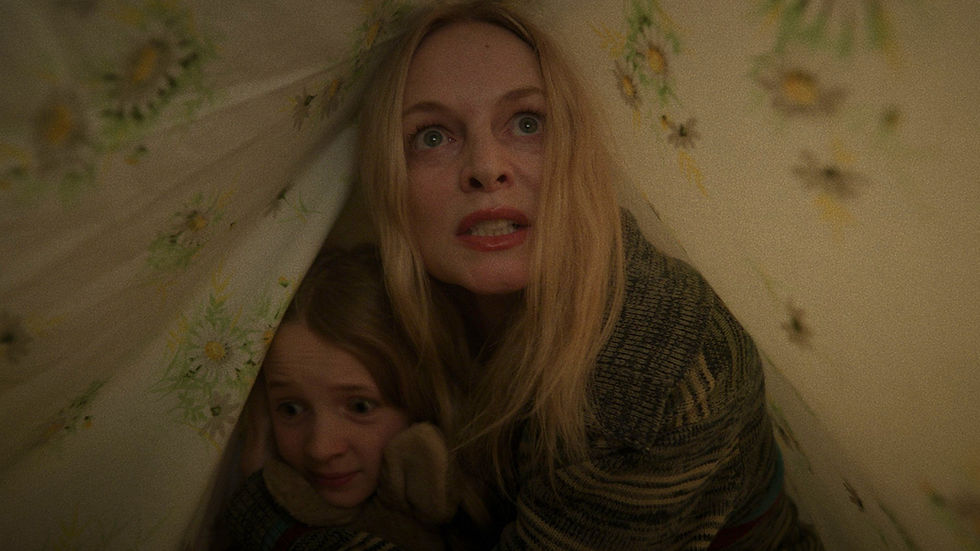
Visually and tonally, the film thrives in minimalism. It creates unease through absence as much as presence—empty space, quiet rooms, the suggestion of something just outside your line of sight. It’s not trying to overwhelm you. It’s trying to sit with you.
If there’s any comparison point, it’s Oddity, and while that film may still hold a slight edge in terms of unforgettable imagery, Hokum arguably surpasses it in narrative cohesion and thematic execution. It feels like a filmmaker refining his voice in real time.
Simply put, Hokum is one of the strongest horror entries of the year so far.
Final Verdict: 4.5/5
A controlled, intelligent, and deeply unsettling piece of folk horror, Hokum reinforces Damien McCarthy’s place among the most reliable voices in the genre today.


This was an interesting read for someone learning more about networking. I came across 192.168.o.1 while researching router access, and the article helped make the subject clearer. The additional information about passwords, security, and troubleshooting gives readers some useful things to consider.
Great review! I’m really intrigued by how McCarthy blends psychological horror with tangible themes. You mentioned the unique visuals what were some standout moments for you? Also, do you think this film will reshape how indie horror is perceived? I'd love to hear more of gd your thoughts!