


Dracula Review: Love, Loneliness, and Bloodlust Revisited


Dracula Review: Love, Blood, and the Curse of Immortality Reimagined
There’s history. There’s romance. And there’s blood.
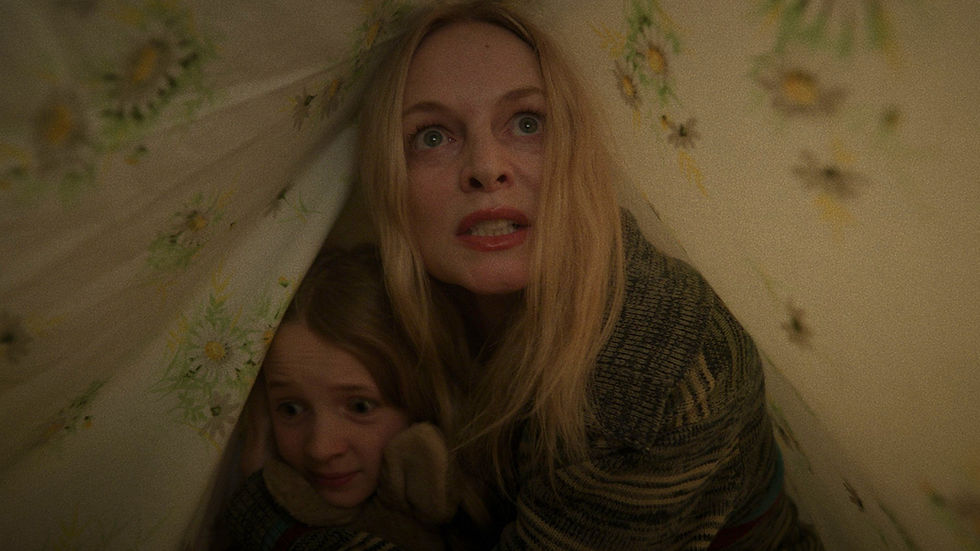
With Dracula — originally titled Dracula: A Love Tale — Luc Besson takes another swing at one of the most over-adapted figures in horror history, and surprisingly, it mostly works. Not because it reinvents the myth outright, but because it lingers where most versions rush past.
This is still the story rooted in Dracula. Prince Vlad loses his beloved, turns his back on God, and is cursed with immortality — doomed to wander the centuries in search of love reborn. We know the beats. We know the legend. But what Besson’s film does differently is sit inside Dracula’s loneliness, rather than sprint toward the familiar endgame.
Caleb Landry Jones plays Prince Vlad / Count Dracula with an unexpected vulnerability. Yes, he’s still the shadow. The shapeshifter. The predator. The seducer. But here, he’s also deeply human — worn down by time, grief, and obsession. This Dracula isn’t just hunting blood; he’s surviving eternity.
Opposite him is Christoph Waltz, playing a Bavarian priest who knows monsters walk among us and has made it his mission to confront them. Waltz brings a measured intensity to the role — less bombastic than expected, more weary and determined — grounding the supernatural with conviction rather than theatrics.
At the center of it all is Elisabeta/Mina, portrayed by Zoë Bleu, whose presence fuels the entire emotional engine of the film. This version of Dracula leans hard into love — not just as seduction, but as an all-consuming wound. The film treats immortality less like power and more like punishment.
What genuinely surprised me is how much action and fantasy Besson injects into the story. When the film turns brutal, it turns brutal. The violence is sharp, the confrontations are physical, and at times it feels less like a gothic horror film and more like an action-romance thriller that just happens to be about Dracula. That’s not a criticism — it’s a pivot, and one genre fans may not expect.
Where the film slightly stumbles is pacing. By devoting so much care to history, war, and Vlad’s centuries-long search, the more familiar romantic dynamics — the Mina-adjacent elements, the seduction arc we associate with Dracula — can feel rushed or secondary. Depending on what you want from a Dracula film, that’s either refreshing or frustrating.
For me, it worked more than it didn’t.
This feels less like a “reimagining” (a word that’s honestly lost its meaning) and more like a reawakening — a reminder that Dracula isn’t just a monster, but a tragic figure shaped by loss, faith, and time. At moments, it even plays like an Anne Rice–style meditation on immortality, inviting you into Dracula’s detachment from the world as centuries pass and meaning erodes.
Is it perfect? No.
Is it necessary? Surprisingly… maybe.
I suspect some audiences will dismiss it out of Dracula fatigue alone, but I found this to be one of the more entertaining and emotionally textured Dracula films since the 1990s. It won’t dominate the box office, but it might catch viewers looking for something darker and more operatic — especially if football isn’t your thing this weekend.
HMU Rating: 3 out of 5
Not revolutionary, but thoughtful, action-forward, and far more human than expected — Dracula earns its place among the better modern takes on the legend.


Meebhoomi is a very useful platform for accessing land records and property details meebhoomi online.
It makes the process transparent, saves time, reduces paperwork, and helps citizens easily
verify land information without visiting government offices repeatedly.
pikashow is a useful platform for watching movies and shows in one place. i enjoy how pikashow makes finding entertainment simple and convenient. the interface is easy to use and explore. overall, pikashow continues to be a dependable choice.
Thinking about sassa payment dates payment dates may feel worried yet hopeful, depending on them for basic needs. They likely plan spending carefully, fear unexpected delays, and seek reliable updates. Timely payments bring reassurance, helping maintain stability, reduce stress, and support better financial decision-making throughout each month.